
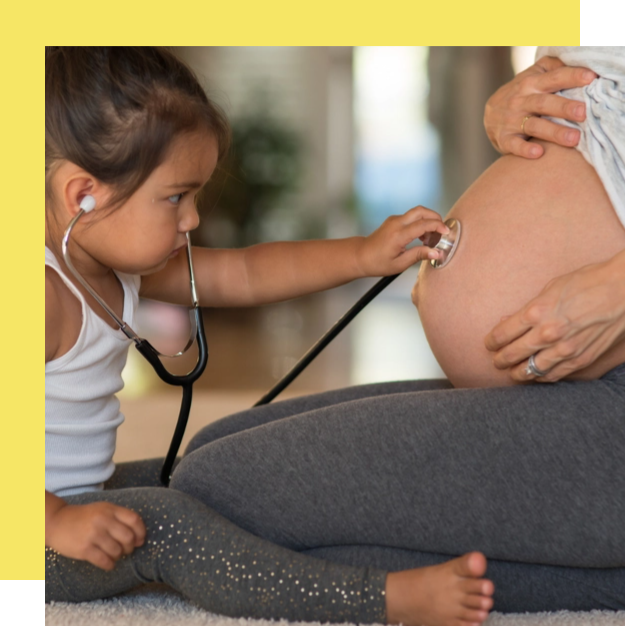



Home visiting (HV) has demonstrated positive impacts across family well-being domains. Home visitors receive training in HV model requirements as well as to develop knowledge and various skills. Despite growth in HV research, we are not aware of existing training or required competencies in research design, research methods, or dissemination of research findings for home visitors.
Objectives: Via ongoing collaboration with an Advisory Board of key HV stakeholders, we developed a three module online training that incorporated examples from HV research and practice to address the gap in research training for home visitors and to promote home visitors’ engagement as research stakeholders.
Methods: A convenience sample of home visitors (n=176) was surveyed on research knowledge, research self efficacy, and priority training topics, with results used to create a beta version of the training completed by six home visitors. Home visitor feedback on the beta version, coupled with Advisory Board recommendations, led to creation of the final online training. Forty home visitors viewed the final training and completed pre- and post-training surveys to assess changes in research knowledge and self-efficacy. Twelve home visitors also completed a semi-structured qualitative interview. Home visitors demonstrated improvements in research
knowledge and self-efficacy and found the training easy to understand and useful.
Conclusion: Guidance from stakeholders led to development of an online training that was effective in improving home visitors’ research knowledge and self-efficacy. This training can be used by HV researchers and practitioners as a tool to promote home visitors’ active engagement as stakeholders in research. (author abstract)